Protect Your Data at US Borders with 1Password’s Travel Mode: Navigating Device Searches and Privacy Concerns
U.S. border searches reach an unprecedented peak, with US Customs and Border Protection (CBP) reporting over 14,900 device searches between April and June this year – surpassing the previous quarterly record by more than 2,000. This increased scrutiny at ports of entry, coupled with reports of visitors being turned away due to content on their devices and extended detentions, has raised valid concerns about entering the U.S.
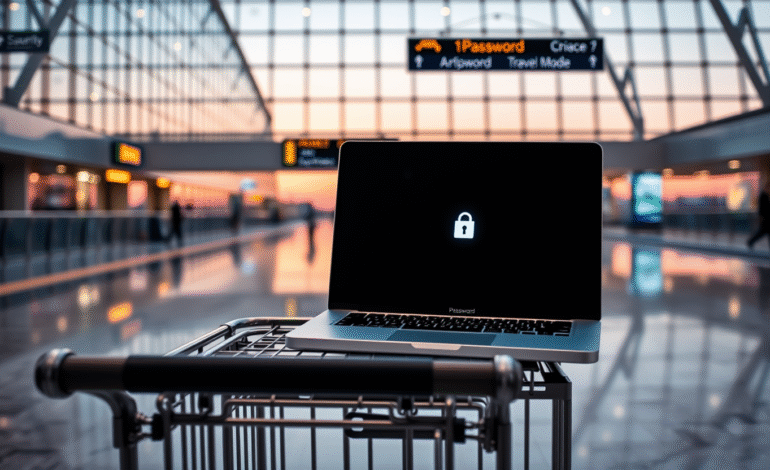
Travelers can take several measures to safeguard their privacy when crossing the U.S border, and 1Password, a password manager, presents a viable solution with its Travel Mode feature. This tool doesn’t eliminate all sensitive data but can significantly minimize it.
The operation of Travel Mode is straightforward: You categorize your login credentials, notes, attachments, and other confidential information into multiple vaults. Afterward, you can designate which vaults are travel-friendly and which aren’t. Once activated, the chosen vaults aren’t just concealed; 1Password asserts they are entirely deleted from your device.
The legal aspects and extent of device searches at the border are intricate. Essentially, CBP cannot deny entry to U.S. citizens or green card holders if they refuse a device search. However, they can make the process considerably more arduous, with extended detentions and possible seizures of devices. As stated by the Texas chapter of the American Civil Liberties Union (ACLU), “You can express your refusal to such a search, but unfortunately, this may not deter Customs and Border Protection from confiscating your phone.”
According to CBP’s own guidelines, “Officers are prohibited from accessing information that is solely stored remotely on a device.” However, these policies may not always be consistently implemented. Esha Bhandari, deputy director of the ACLU’s Speech, Privacy, and Technology Project, explains, “This essentially grants them an unlimited authority to search travelers without a warrant and to access the full extent of information people carry on them.”