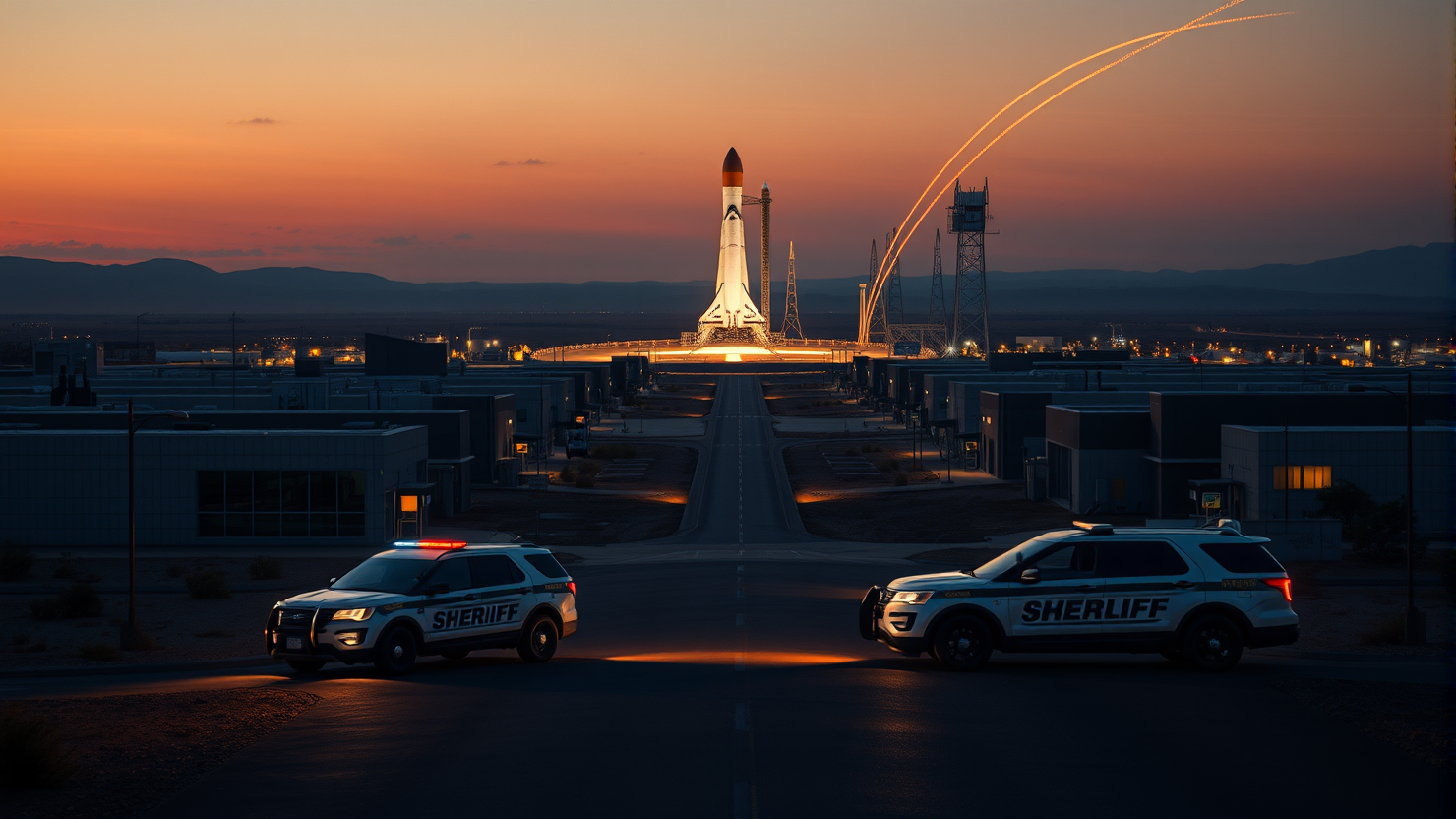
NASA-Sierra Space Deal Shifts Dream Chaser’s Mission: Aerospace Startup Pivots Towards Defense and Commercial Markets
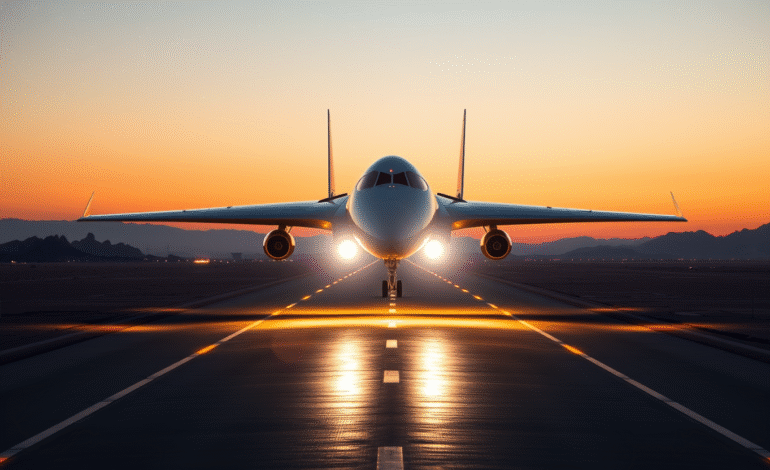
Commercial space company Sierra Space initially secured a contract over nine years ago for delivering cargo to the International Space Station (ISS) with the promise of introducing a first-of-its-kind reusable, privately-built spaceplane capable of landing on commercial runways. However, recent amendments to this agreement between NASA and Sierra Space have altered these plans significantly.
In an announcement made earlier this week, it was revealed that NASA will no longer guarantee purchases for cargo flights to the ISS. Instead, Sierra Space’s Dream Chaser spaceplane will undergo a free-flying demonstration in late 2026, and will not dock with the station.
NASA has pledged “minimal support” for this test, and they will only consider ordering ISS resupply missions following its conclusion. This modification to the contract represents a significant setback for the Dream Chaser program, which typically relies heavily on government support due to the substantial upfront development costs associated with crewed or cargo spacecraft.
SpaceX, for instance, received billions from NASA through various programs to develop their Dragon capsule and Falcon 9 rocket. As a result, Sierra Space must now adapt its mission focus, considering options beyond ISS resupply missions as commercial customers may not be able to provide enough demand to sustain the business case.
With the loss of this guaranteed income, Sierra Space now faces the challenge of positioning itself as a versatile platform for commercial space stations and defense customers. In a press release issued on Thursday, company executives emphasized the potential benefits for defense applications, with executive chair Fatih Ozmen stating that the transition would allow Sierra to offer “unique capabilities to meet the needs of diverse mission profiles, including emerging and existential threats and national security priorities that align with our acceleration into the Defense Tech market.”
Mid-program pivots are not common in aerospace but have become more frequent as space startups grapple with shifting government priorities and the need to prove out commercial markets before they fully materialize. Historically, aerospace systems were designed around highly specific mission profiles, but Sierra Space argues that Dream Chaser’s reusability and runway capability make it adaptable for various applications.
The upcoming free-flying demonstration could serve as an opportunity to showcase Dream Chaser’s versatility, allowing for different payload configurations and the demonstration of additional capabilities, without the need to dock with the ISS. However, time is of the essence, as the ISS is expected to be deorbited around 2030, leaving Dream Chaser only a few years to demonstrate its cargo delivery capabilities in orbit. If successful, it could establish itself as a valuable niche player in the market for winged spacecraft.