InDrive Expands Beyond Ride-Hailing into Grocery Delivery and Super App Services, Aiming to Dominate Frontier Markets Worldwide

InDrive, recognized for its bidding-based ride-hailing model across Asia and Latin America, is implementing a “super-app” strategy targeting emerging markets. The objective is to extend beyond taxi services to deliver daily essentials to users, starting with grocery deliveries in Kazakhstan.
Over the next twelve months, InDrive aims to expand into multiple verticals across its top markets, including Brazil, Colombia, Egypt, Pakistan, Peru, and Mexico. This move follows over 360 million app downloads and 6.5 billion transactions globally, solidifying its position as the second most-downloaded ride-hailing app worldwide since 2022, trailing only Uber.
Andries Smit, InDrive’s chief growth business officer, explained that frequent usage by customers leads to longer retention, increased value in the ecosystem, and higher overall loyalty.
InDrive selected grocery delivery as its first expansion move due to rapid growth in its delivery segment — with over 41 million orders completed worldwide in 2024 and more than 14 million in Q2 2025 alone — making it one of the fastest-scaling categories in the company’s portfolio.
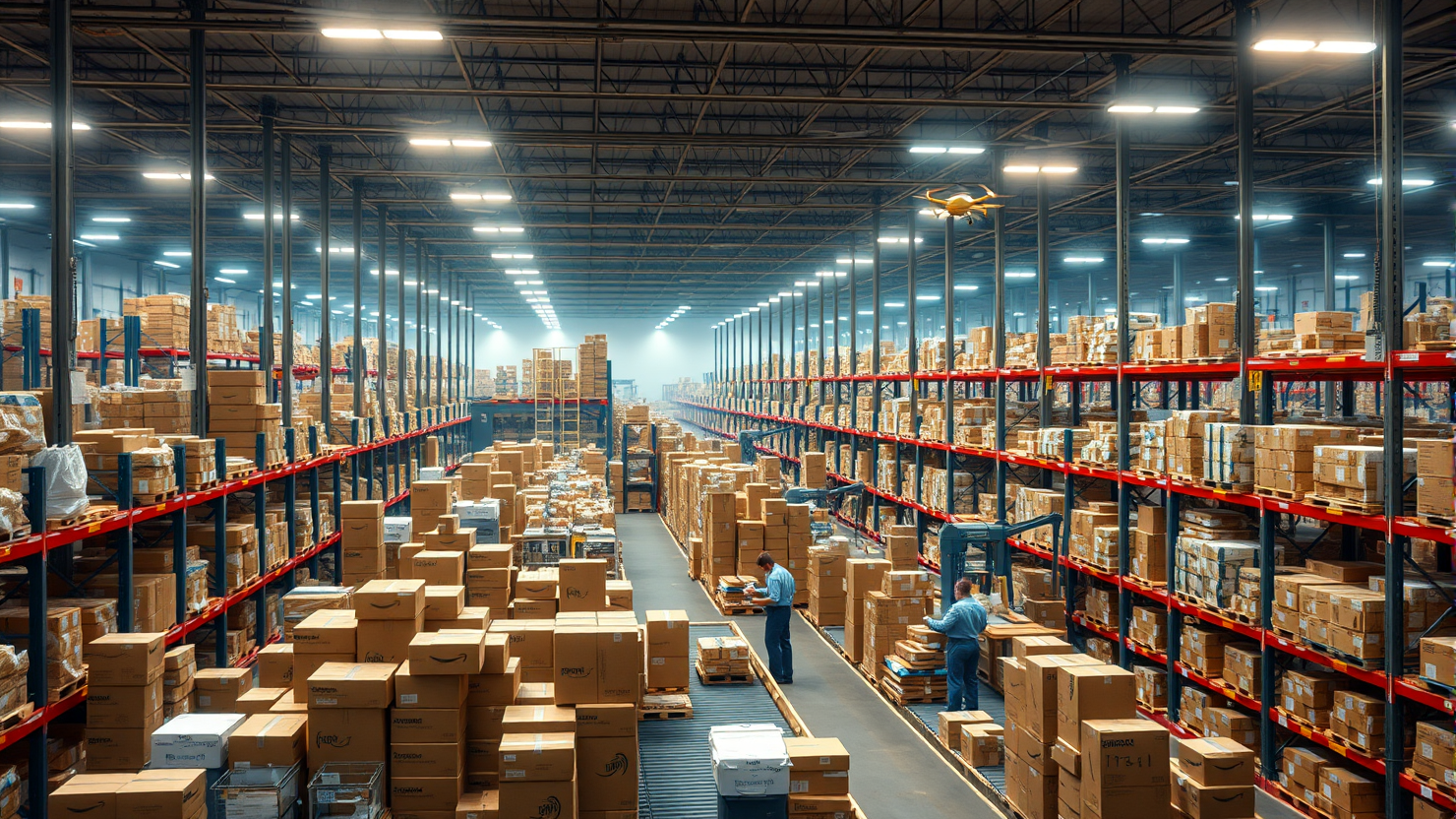
InDrive has launched its grocery delivery service in Kazakhstan, offering over 5,000 products with a 15-minute delivery promise. Initial trials in Central Asia have yielded a net promoter score of 83%, indicating high customer satisfaction, and an average of five grocery orders per user per month, according to company data.
Smit revealed that InDrive is using a dark store model for grocery deliveries in Kazakhstan, with most items focused on ready-to-eat meals and approximately 10% consisting of fresh products — part of a strategy to boost customer retention. He added that the model may vary in other regions, where InDrive is open to local partnerships, particularly in markets with a dense network of mom-and-pop stores.
InDrive operates in 982 cities across 48 countries globally and leads in eight of them. The company chose Kazakhstan as its first market for its super-app move due to a significant increase in digital consumption observed in the country, which boasts the largest economy among Central Asian nations. InDrive also has its largest headcount in Kazakhstan, serving as a central hub for its R&D and operations.
InDrive did not disclose specific growth metrics for its operations in Kazakhstan. However, a recent report by Dealroom suggests a 44% growth in the country over the past twelve months. The report also values Kazakhstan’s tech ecosystem at $26 billion — an 18-fold increase since 2019 — indicating a sharp rise in local startup formation, funding, and digital services.
Kazakhstan already has grocery delivery apps to fulfill some of the demand. Nevertheless, InDrive aims to capture the market primarily through competitive pricing, striving to become the Aldi of online groceries.
“There is access and inequality, and even access issues with some of the groceries,” said Smit. “Some of our cost-conscious consumers end up not buying from the right places or not buying the right goods, and they recognize that, but they feel they have no other choice.”
Many companies have attempted to succeed with super apps, with some, like WeChat and Gojek, finding success while others, including Meta, have struggled to gain traction. Smit, who worked with WeChat in his former role in 2016, emphasized the integrated experience on the Chinese app as a key factor for its success. He said InDrive plans to leverage this expertise and AI capabilities to make its super-app strategy successful, bringing personalization to users and making services accessible to people with disabilities and those with lower literacy.
In November 2023, InDrive announced a venture and merger and acquisition arm to invest up to $100 million over the next few years. Smit revealed that about 30% of this venture has already been allocated for the super-app strategy. The company invested in Pakistan’s grocery startup, Krave Mart, in December as part of this venture, but no concrete timeline has been set for when InDrive’s app will offer grocery deliveries to users in Pakistan.
InDrive’s primary rival, Uber, has also expanded its service portfolio, adding verticals like food delivery through Uber Eats in select markets. Smit stated that InDrive targets a different customer segment — one that Uber typically does not serve — though there is some overlap in certain regions.
“By and large, we really support and play into a cost-conscious consumer,” he said.
In addition to frontier markets like Kazakhstan, InDrive has been active in India for some time, competing with Uber as well as homegrown players such as Ola and Rapido. However, the company has not gained significant traction in the South Asian nation. Uber even attempted to replicate InDrive’s bidding model in India.
Data from Appfigures shows that InDrive saw 1.07 million fewer downloads year-to-date compared to the same period in 2024 — a 22.6% decline. In contrast, Uber added 8.02 million downloads, up 60.6%, while Ola gained 1.55 million, a 13.2% increase. Rapido emerged as the fastest-growing player, with 14.9 million additional downloads — an 80.9% surge.
“India is a puzzle for us,” Smit said. “India is still growing, and we are focused… we’ve decided to focus very quickly on key cities where we really think we want to operate strongly.”
InDrive is currently testing various models, especially in the freight business, while maintaining its reputation for allowing riders to haggle with drivers. These include different payment mechanisms for drivers to receive daily payments and even work with a specific take rate, Smit said.
InDrive faced initial challenges and saw limited success at first — even in markets like Pakistan, where it later became the leading ride-hailing platform following Uber’s exit.
“We’ve had sleeper markets where the markets sort of drifted, and then for whatever case, maybe one of the competitors falters,” Smit said.
Safety concerns have been a significant issue for InDrive in India, with more than a dozen riders and drivers reporting this as a key reason they no longer prefer using the service. Some drivers claimed that the app’s bidding model had been exploited by riders — and, in some cases, even by fellow drivers posing as riders to hassle their peers by aggressively haggling.
Smit emphasized InDrive’s commitment to safety and customer service.
“Yes, we need to do a lot more in talking to this safety perception and in teaching and educating our drivers and passengers,” he said.
InDrive plans to expand its super-app offering by launching new services tailored to local market needs. These could include financial services. One example is already live in markets including Brazil and Mexico, where drivers can access small loans through the ride-hailing app. The company is exploring ways to extend this to passengers — and potentially to small businesses involved in deliveries, the executive added.
The company also plans to explore a service that enables micro-mobility, allowing its consumers to connect with local businesses and public transportation services.
“We want to be city-specific, and it could be a bouquet of different services,” Smit said. “We want to capture the key verticals that we have capability for, that we know and are very close to our core… But if we have no experience in running, for those kinds of services, we will definitely just partner with the right player.”